How Connected Packaging Is Winning the Digital Shelf in 2025

How Connected Packaging Is Winning the Digital Shelf in 2025
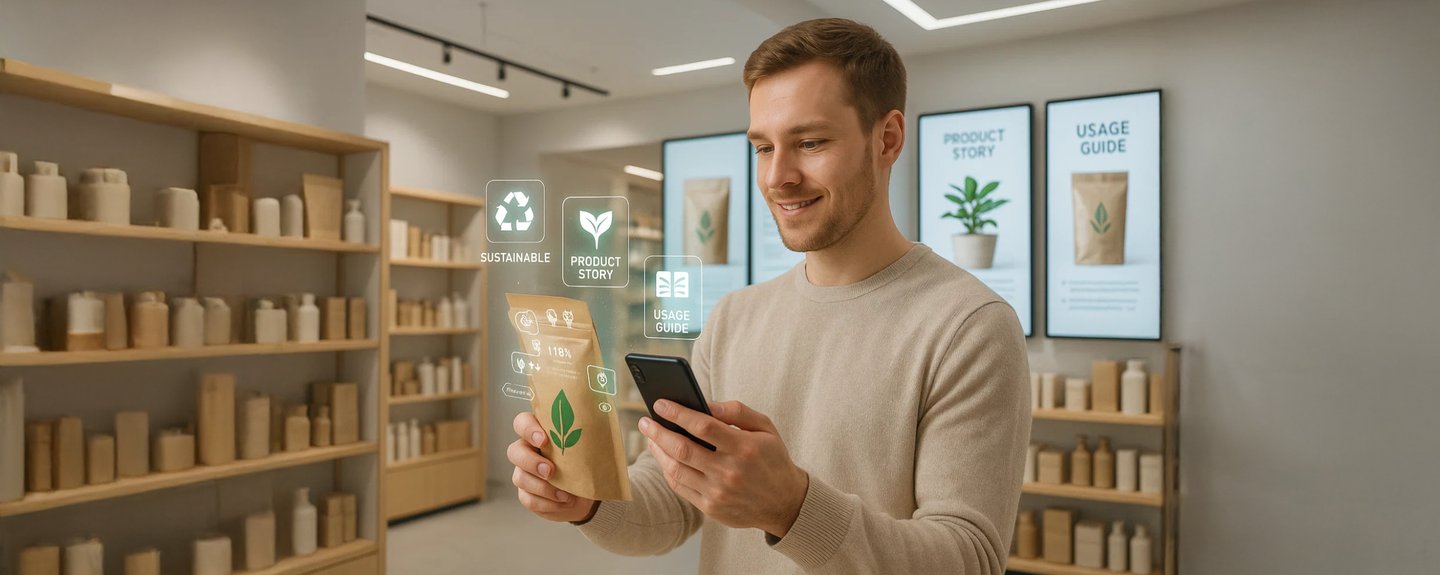
Once a novelty, connected packaging is now a crucial touchpoint in the customer journey. Technologies like QR codes, NFC, and Augmented Reality (AR) are no longer just futuristic concepts; they are actively shaping how consumers interact with brands, access information, and make purchasing decisions. As we move through 2025, the ability to bridge the physical product with a digital experience clearly separates leading brands from the competition.
This post explores the rising dominance of connected packaging. We will look at the latest consumer trends, how brands are using these tools to drive engagement, and why interactive experiences have become a non-negotiable part of a modern marketing strategy.
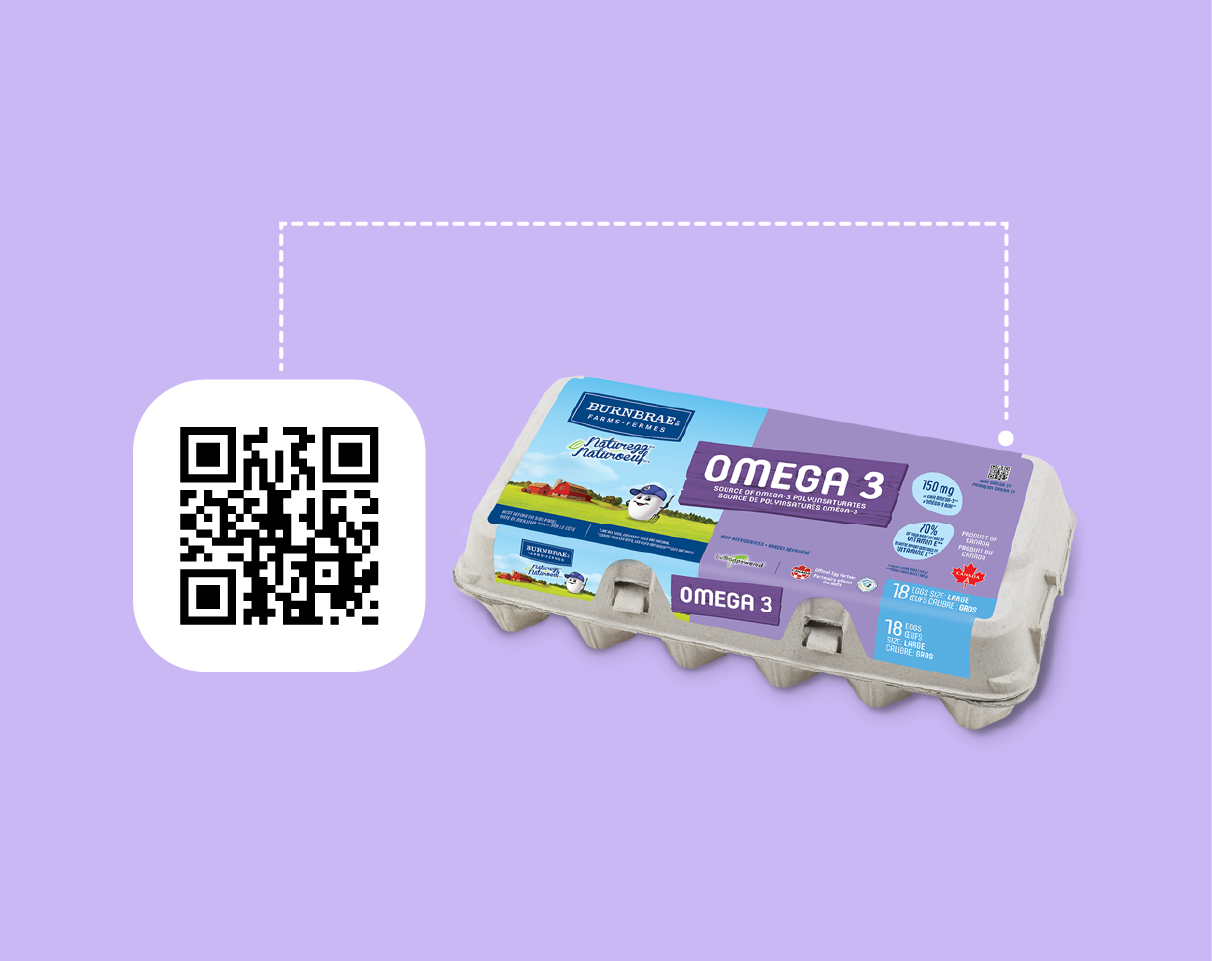
The pandemic supercharged QR code adoption, but in 2025, momentum shows no signs of slowing. What began as a touchless solution for menus and payments has evolved into a pervasive marketing tool. Consumers now expect the ability to scan and instantly access a world of information and experiences.
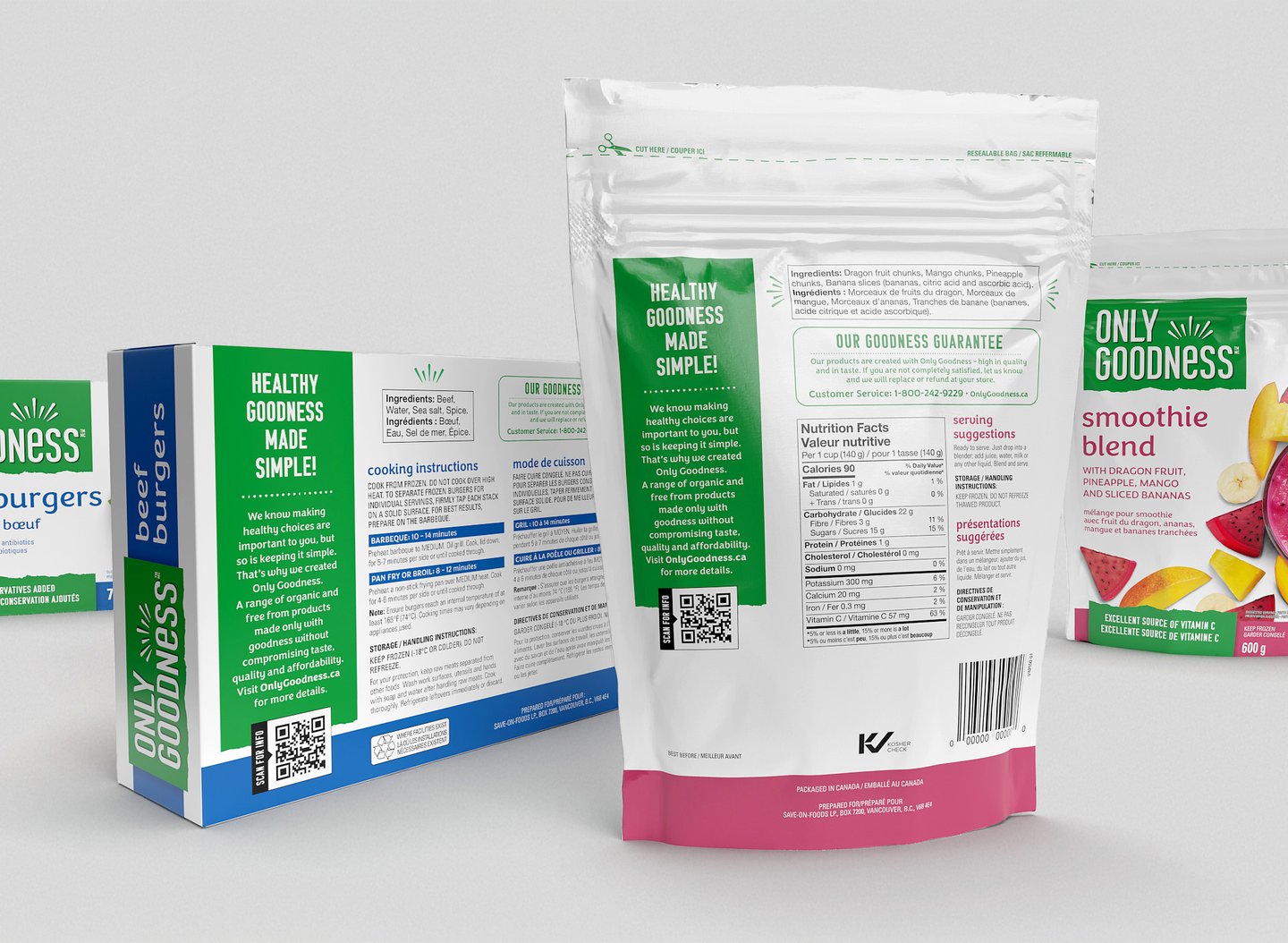
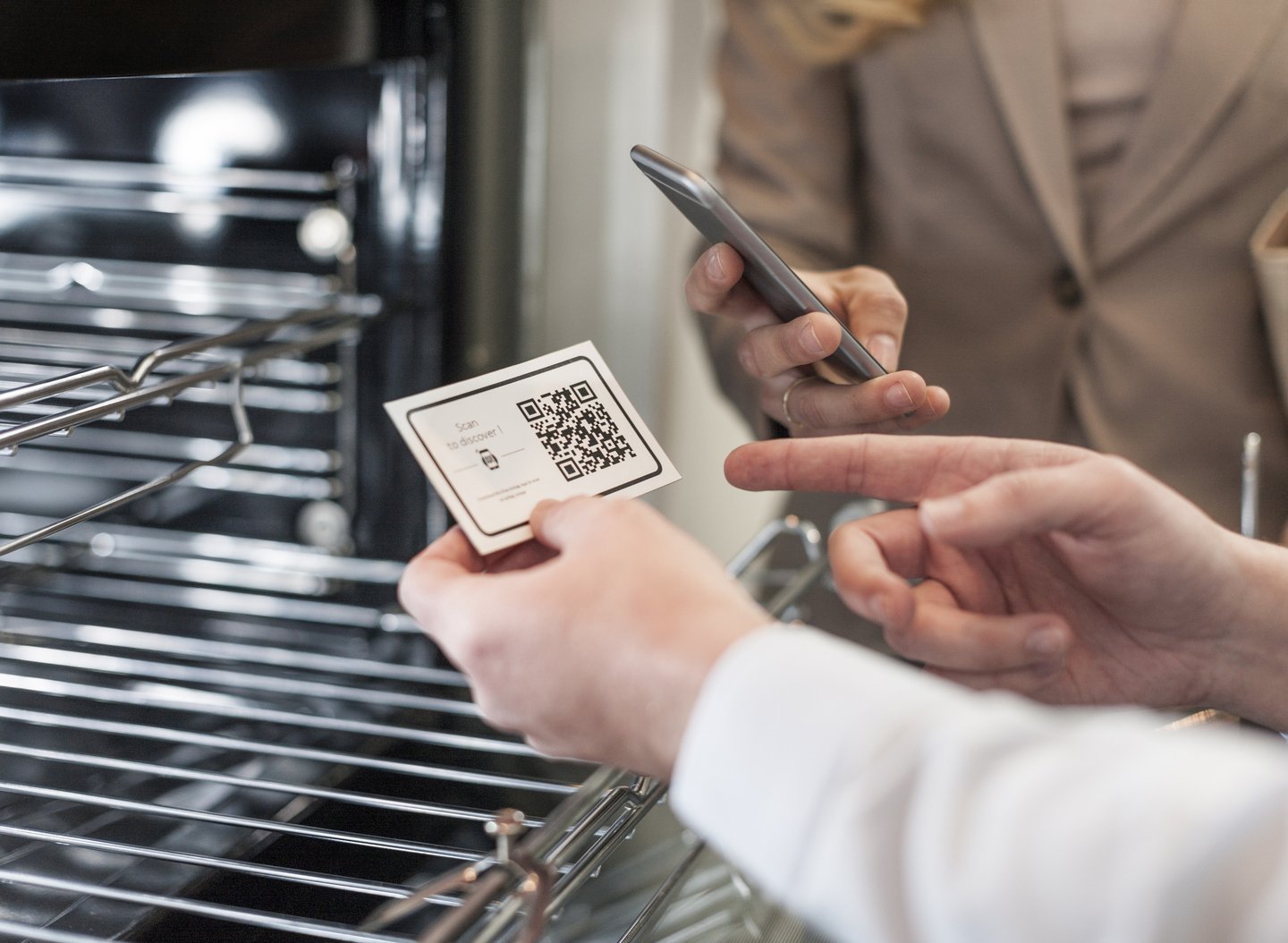
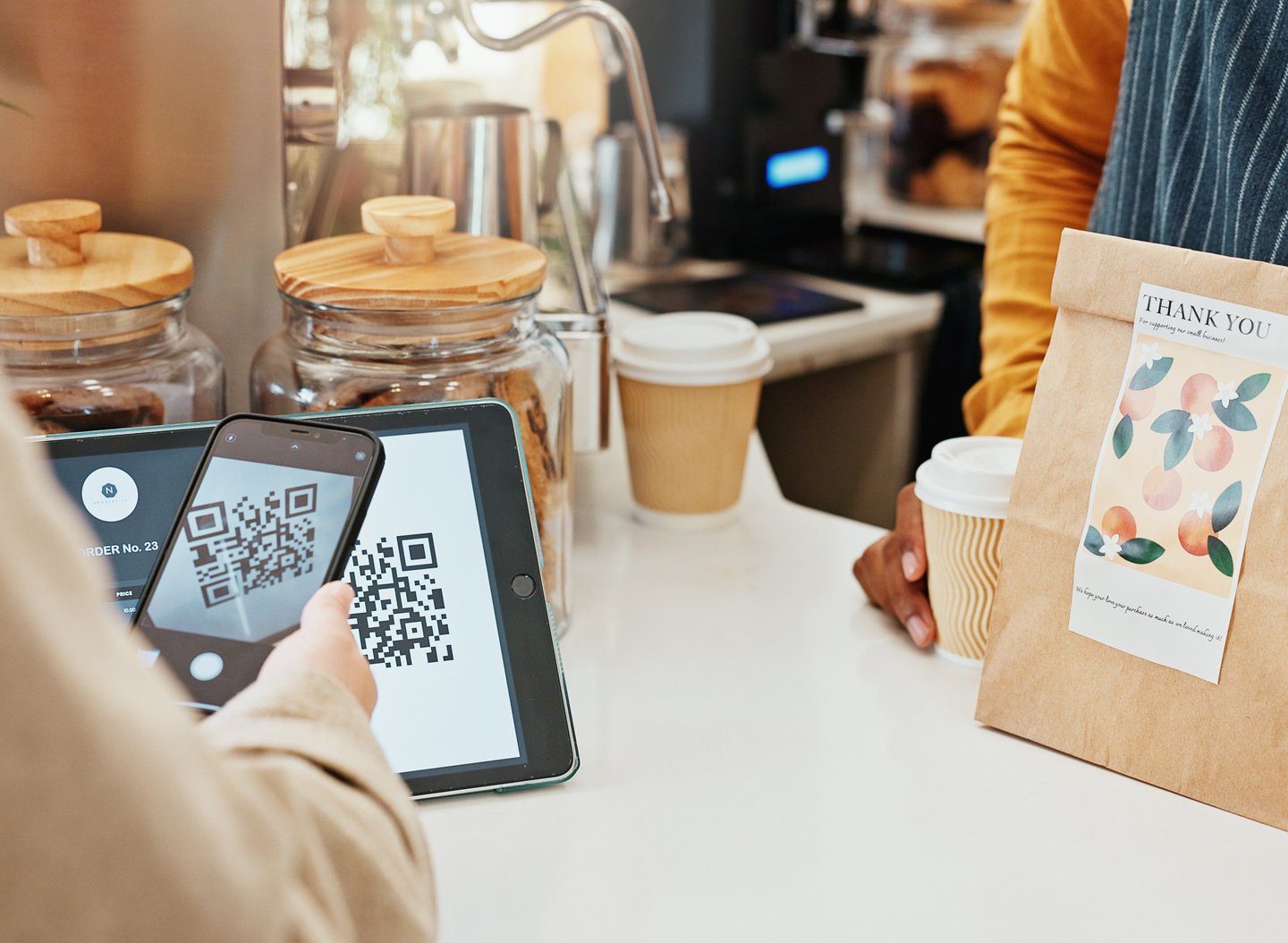
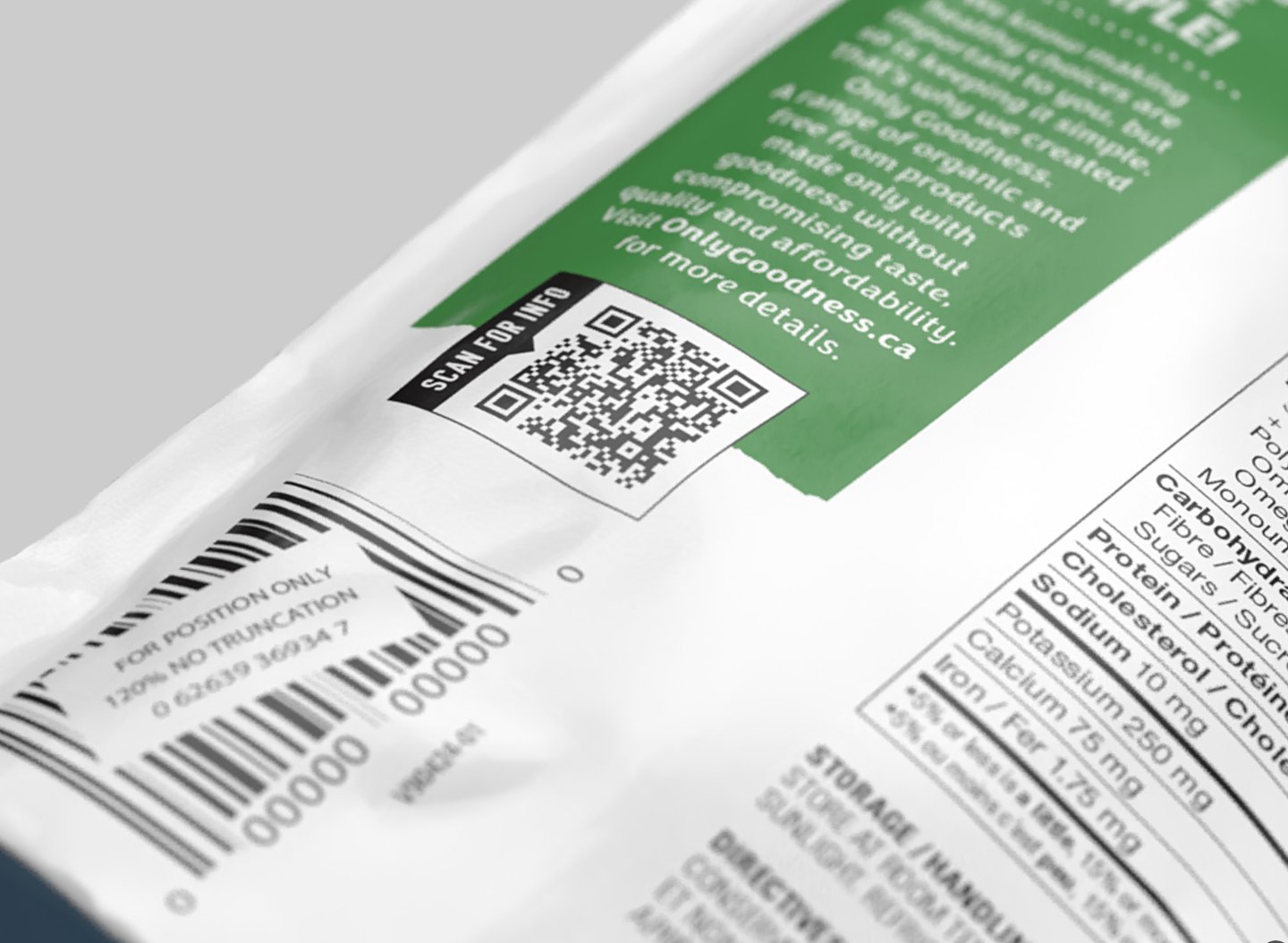
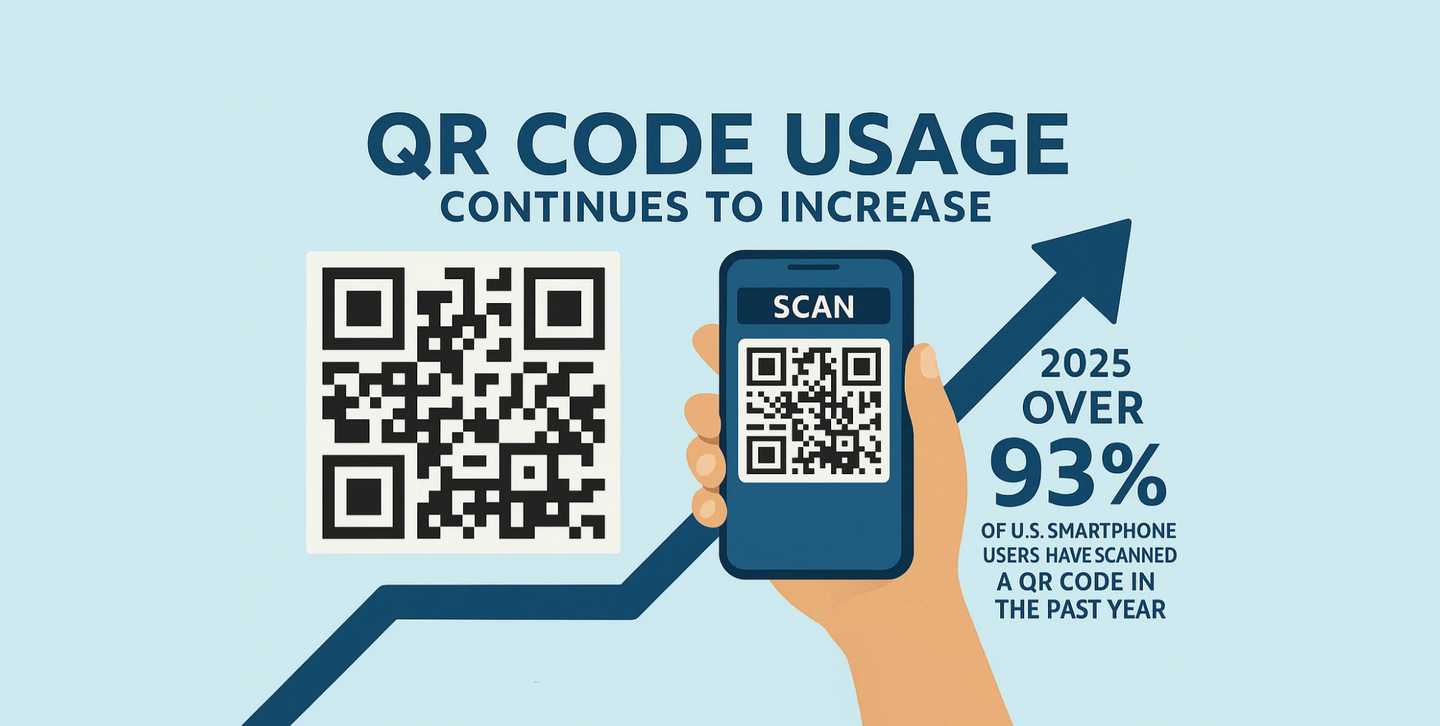
Recent research shows that QR code usage remains strong and continues to increase. A 2025 industry survey reports that over 93% of US smartphone users have scanned a QR code in the past year—a new record and a notable jump from just a few years ago. This ubiquity means QR codes are an essential low-friction entry point for brands to connect with customers, whether at the shelf or in the home.
So, what are consumers looking for when they scan?
While QR codes are ubiquitous, Near Field Communication (NFC) and Augmented Reality (AR) deliver even deeper, more seamless interactive experiences.
NFC technology enables consumers to tap their smartphones to access digital content simply—no camera or special app required. This convenience is key to delivering high-value experiences. In 2025, brands are increasingly embedding NFC chips into packaging to unlock exclusive tutorials, loyalty programs, personalized offers, and one-touch reordering. Current consumer tech trends show that over 70% of new smartphones are NFC-enabled, and brand-driven interaction is projected to grow by 40% annually as both adoption and awareness rise.
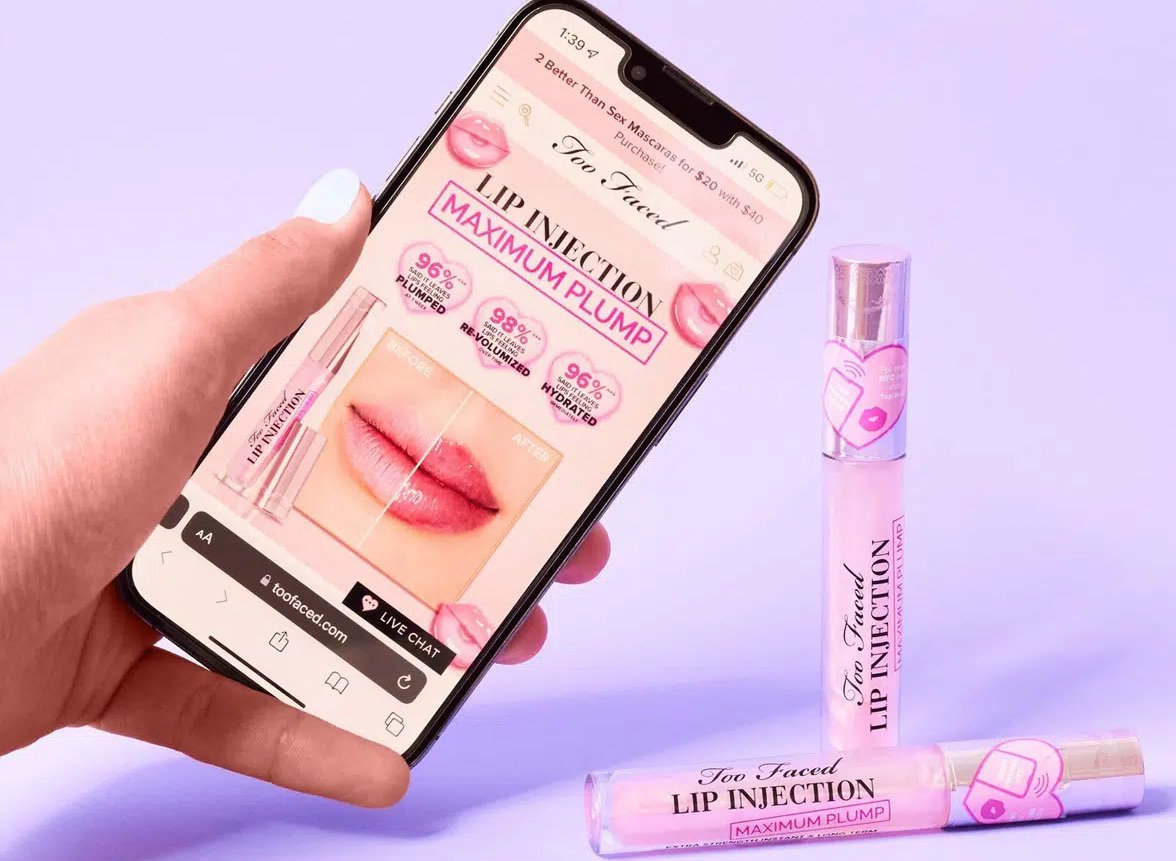
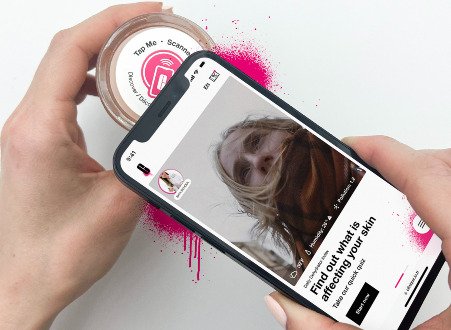
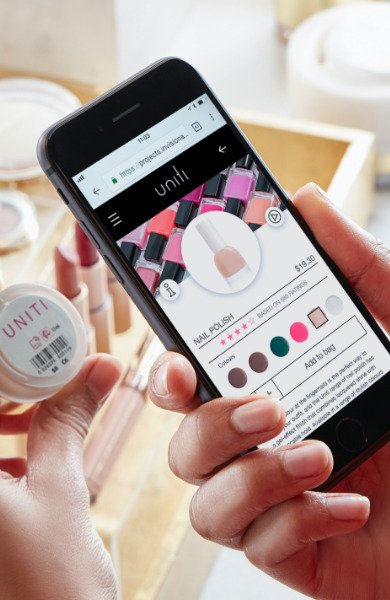
Augmented Reality is redefining how consumers explore and experience products before purchase. By scanning packaging, shoppers can instantly bring a product to life. From virtually placing new furniture at home to trying on makeup in real-time, AR bridges the gap between imagination and reality.
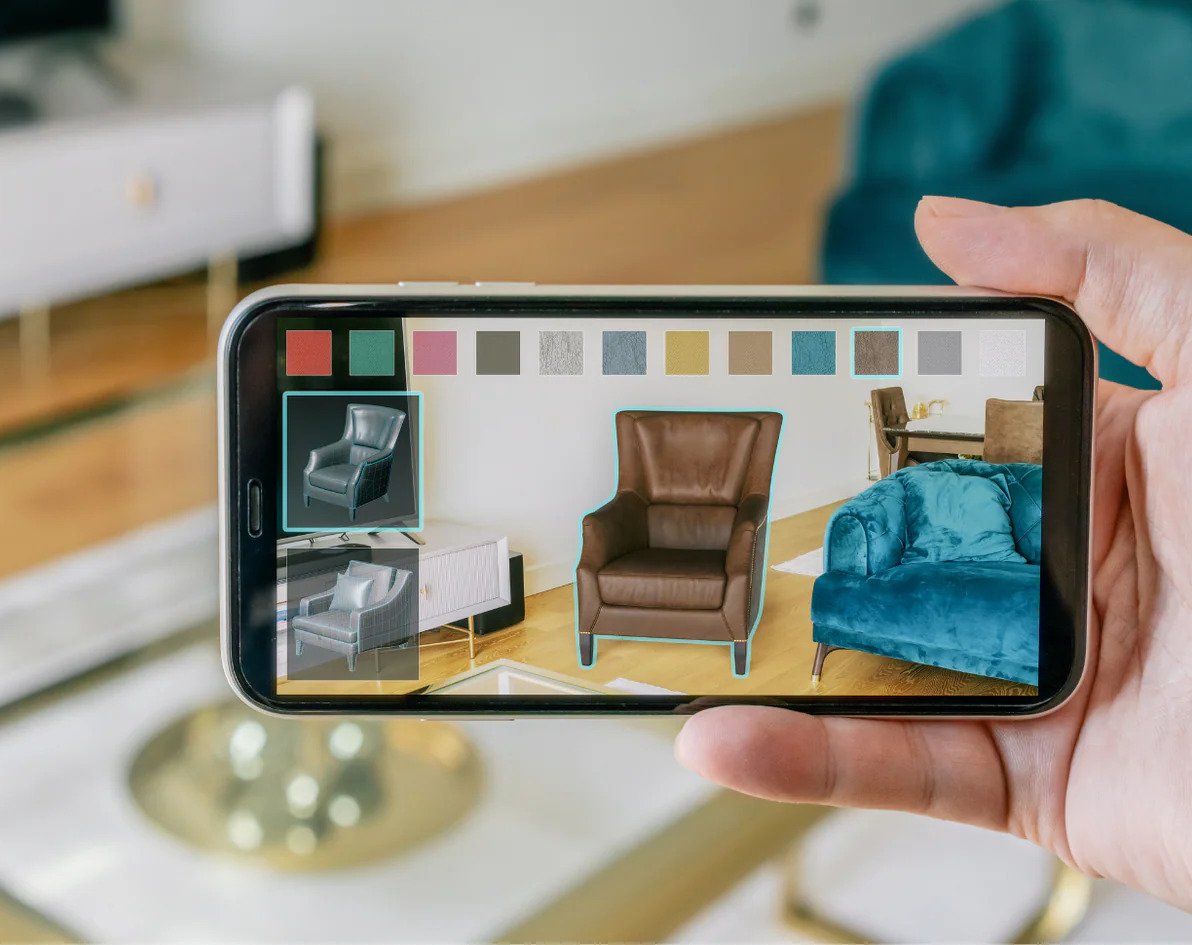
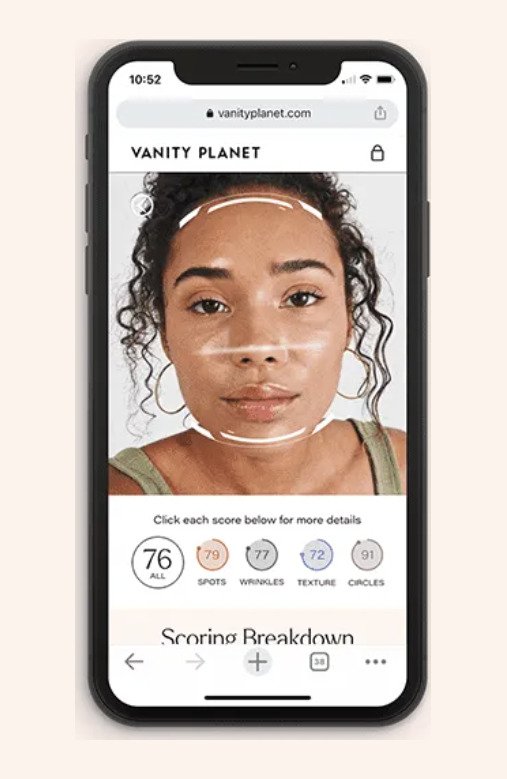
The impact of AR on e-commerce is accelerating in 2025. Shopify data shows that product pages featuring 3D models and AR experiences can achieve conversion rates 275% higher than those with static images. Google now prioritizes AR and 3D assets in its search algorithm, giving brands that invest in these formats significant SEO advantages and visibility on the digital shelf.
AR is more than a gimmick—it allows brands to tell rich, interactive stories, help shoppers envision product fit, and empower well-informed purchases.
The appetite for smart packaging is fueled by evolving consumer expectations. Customers are more informed and selective than ever, viewing their smartphones as critical shopping companions.
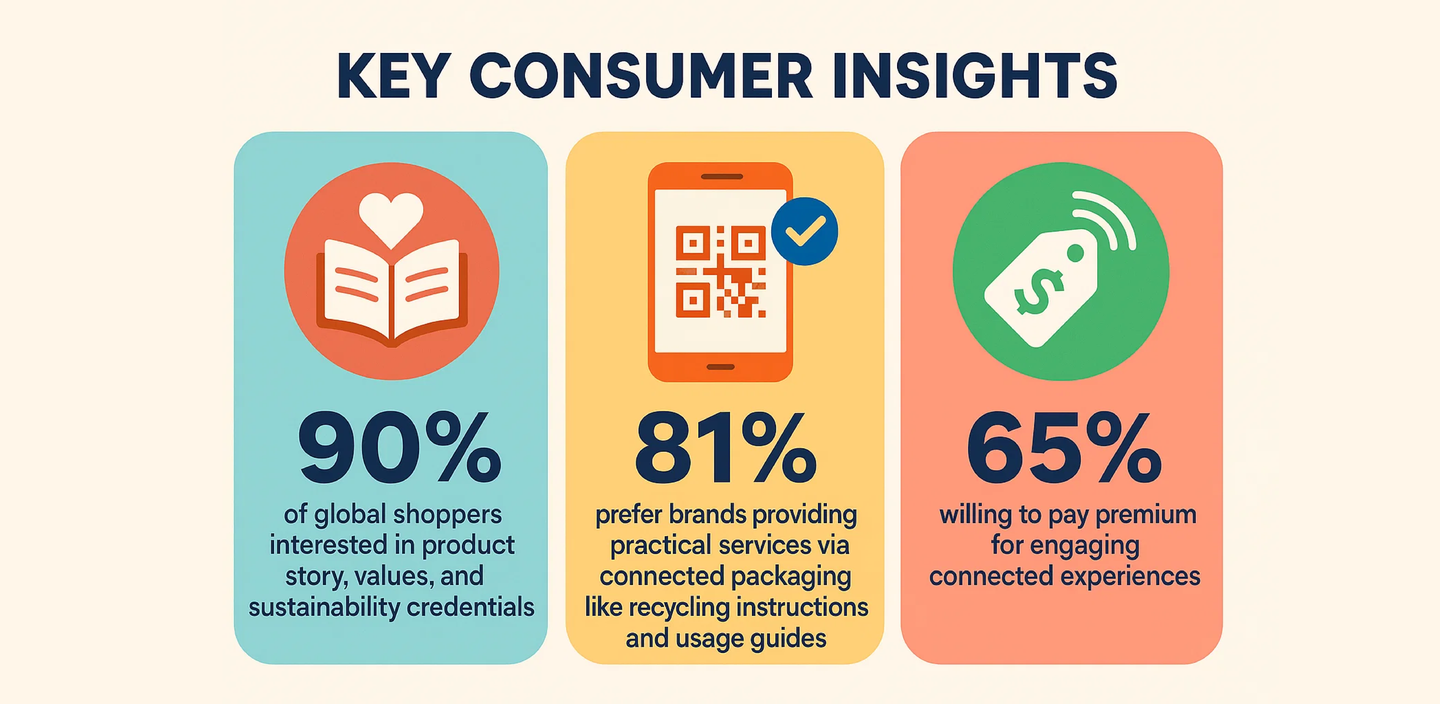
Connected packaging is now a core pillar of omnichannel marketing strategy. By transforming every product into a digital touchpoint, brands can:
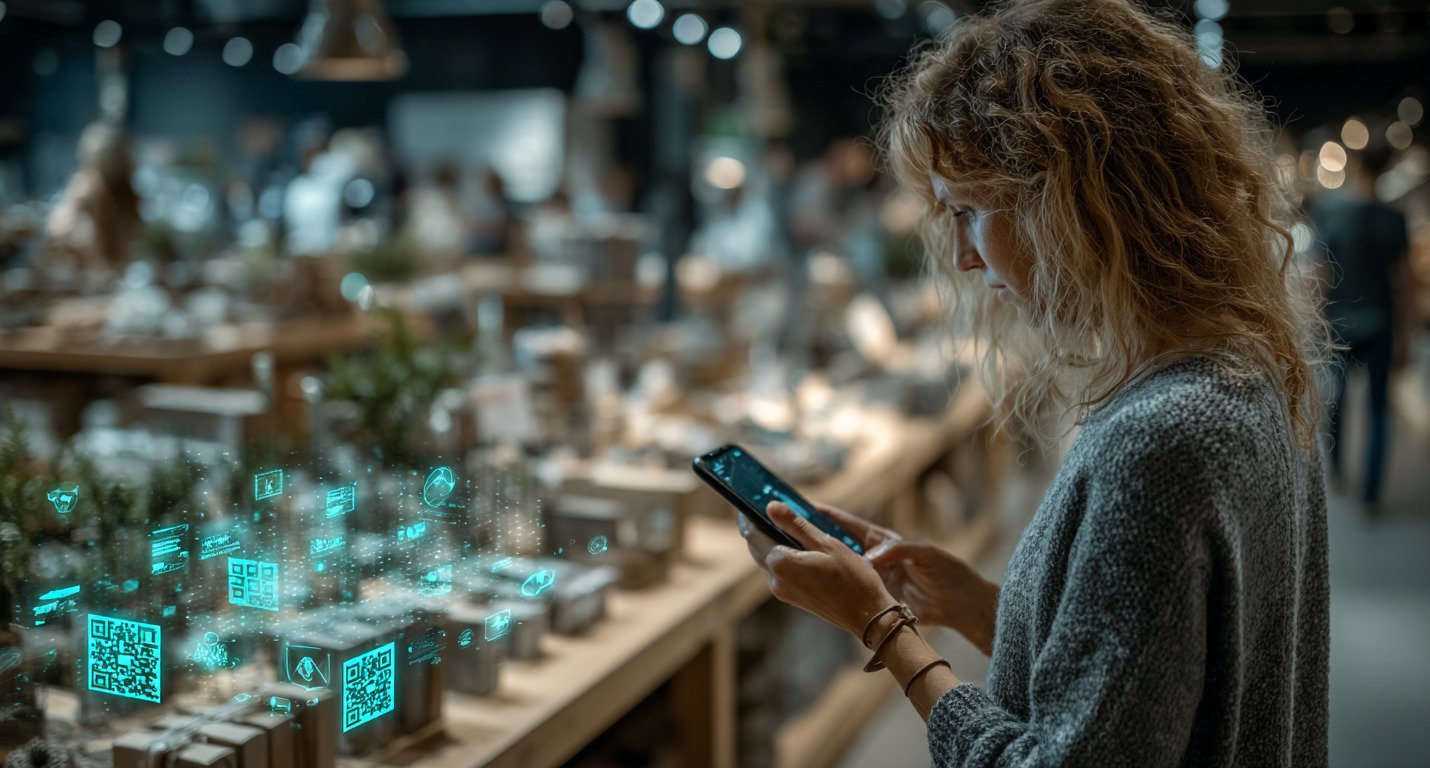
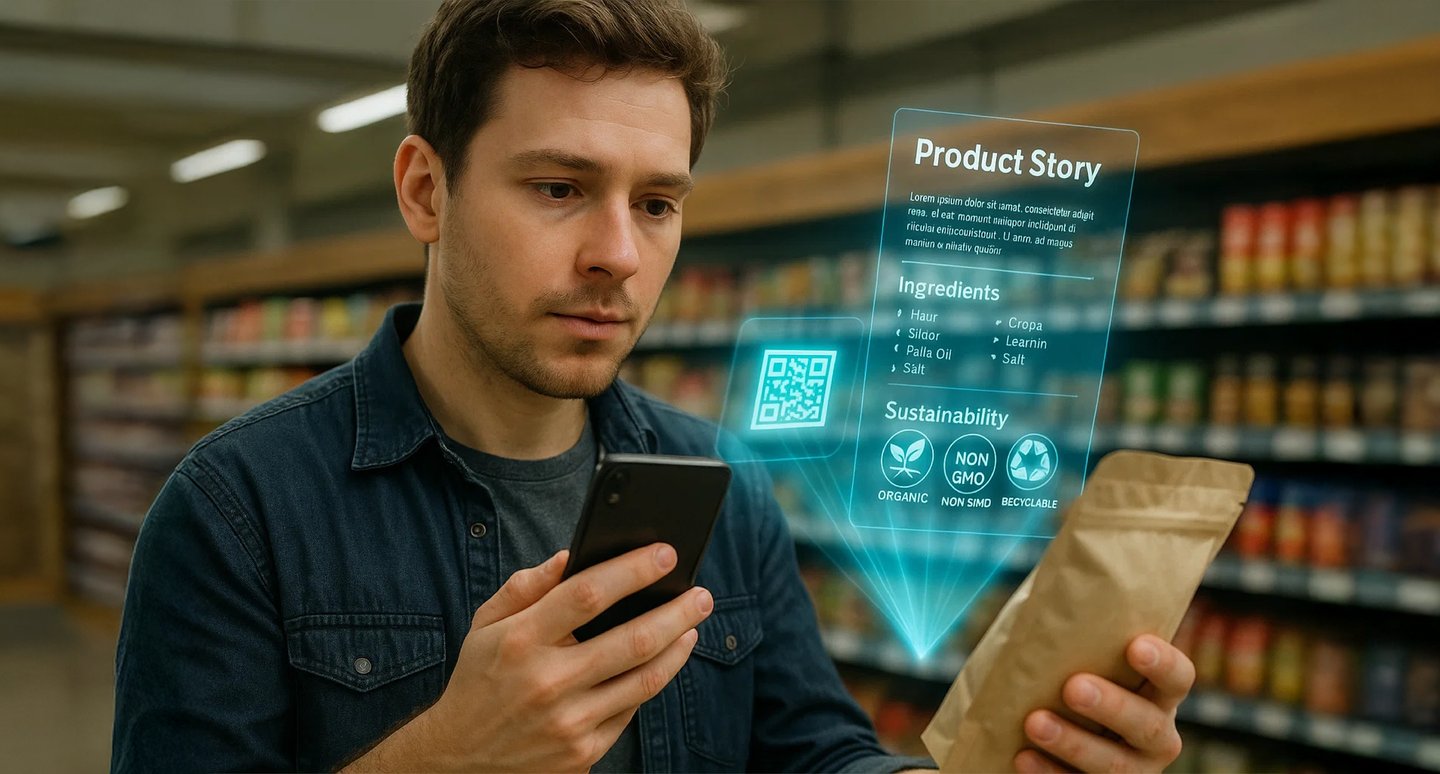
In 2025, the line between physical and digital commerce is more blurred than ever. Consumers expect to buy more than a product—they want an experience, a connection, and a story. Connected packaging is the link that brings a shelf item into a brand’s living story online. Brands embracing these technologies are already shaping deeper, more meaningful relationships, commanding attention, and winning on both the physical and digital shelves.