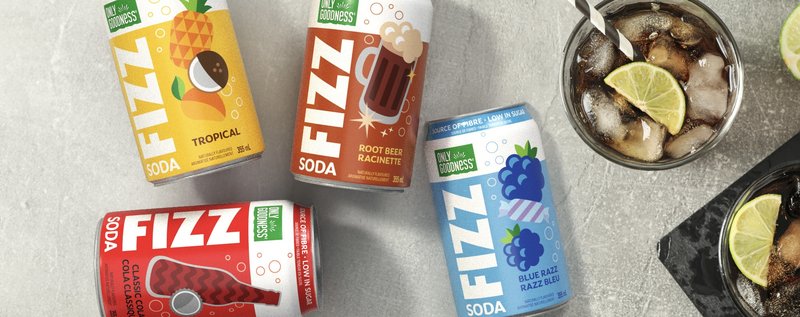
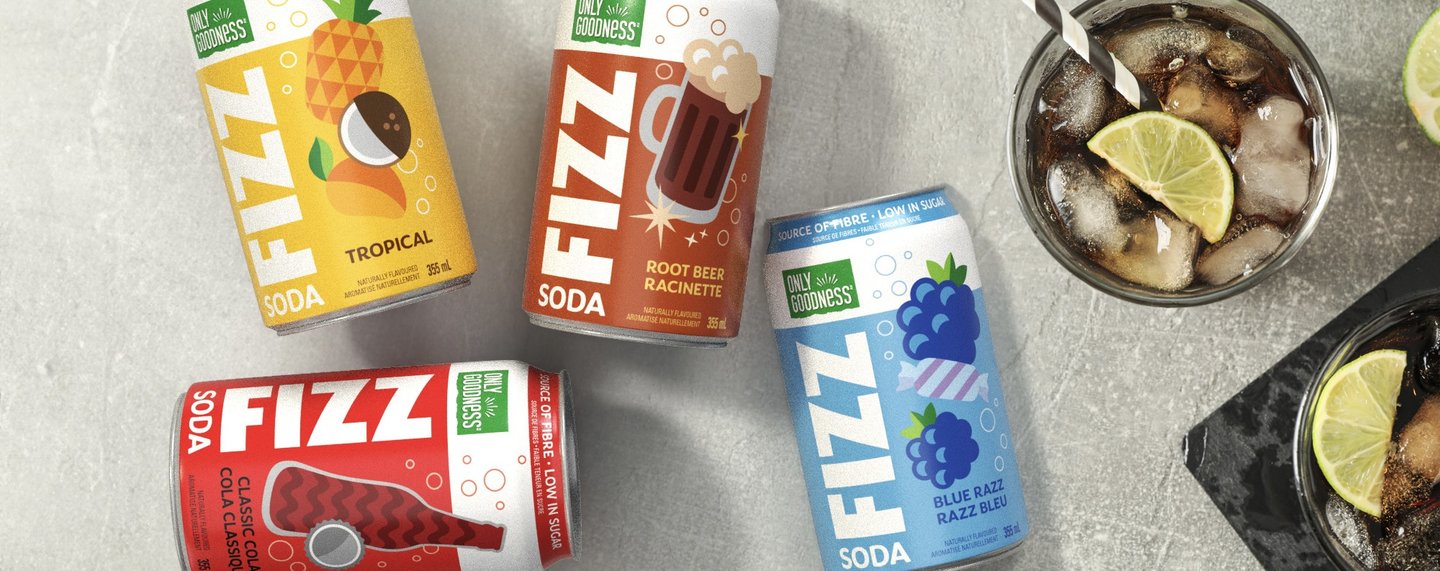
Only Goodness Fizz soda cans in tropical, root beer, classic cola and blue razz flavours on a stone counter with glasses of ice and lime Only Goodness Fizz soda cans in tropical, root beer, classic cola and blue razz flavours on a stone counter with glasses of ice and lime

5 Design Strategies to Boost Private Brand Sales

The economic fallout of recent years has reshaped consumer priorities, placing affordability and convenience above traditional brand loyalty. The pandemic accelerated shifts in shopping behavior, from supply chain disruptions to the rise of online retail. Years later, the retail sector continues to adapt, navigating inflation rates that remain at historic highs.

Amid these challenges, private brands are thriving. In 2025, private label sales in the U.S. surged to $250 billion, capturing over 23% of the consumer goods market. This growth, fueled by a pragmatic, value-seeking post-pandemic consumer, underscores a pivotal moment for private brands. Shoppers now trust private labels for their quality and value, with 81% choosing them for affordability and 63% for their perceived quality.
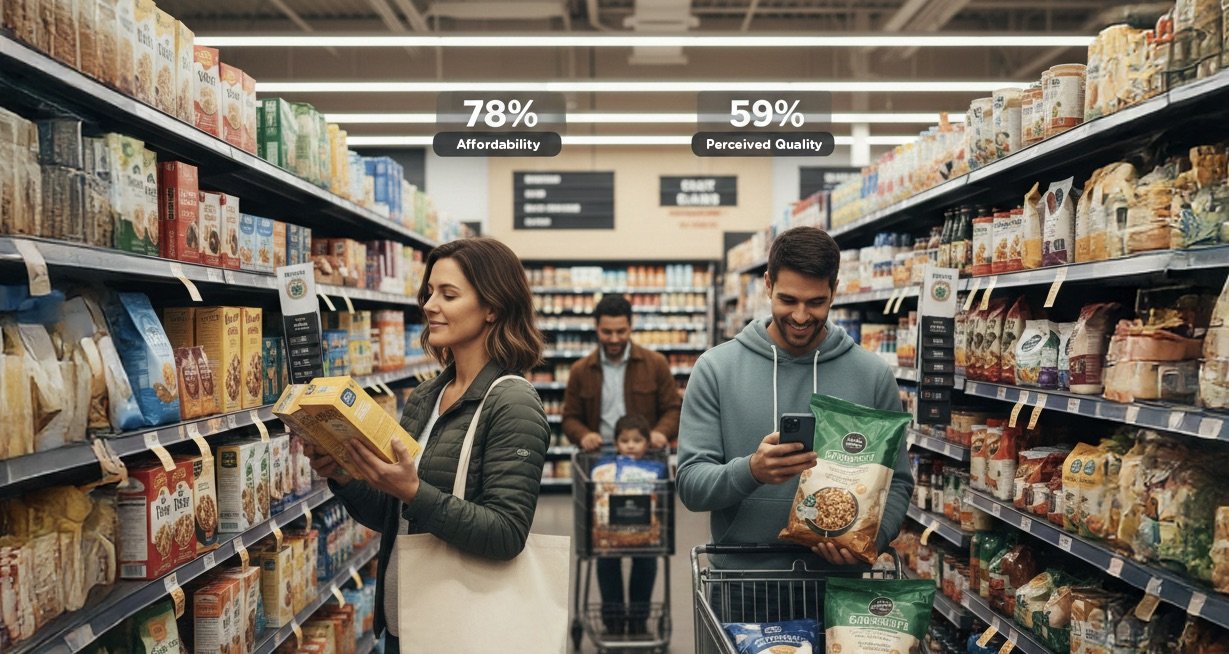
A couple shopping in a grocery aisle, with '78% affordability' and '59% perceived quality' statistics floating above the shelves

These favorable conditions present an unparalleled opportunity for private brands to enhance profitability and foster unique customer loyalty. By focusing on five key strategies—expressing affordability, showcasing quality, differentiating effectively, leveraging cohesive design systems, and amplifying visibility—private brands can seize this moment to drive growth and secure their place in the evolving market.

1. If You’re a Discount Brand, Breathe Discount

For discount-oriented brands, the message of affordability must be clear and consistent across your entire product line. Your packaging is the first point of contact with the customer, and it needs to communicate value instantly. A bold, simple design approach often signals affordability effectively.

Think about how customers perceive value. Clean lines, straightforward typography, and a no-frills presentation can signal to shoppers that they are getting a good deal without sacrificing quality.
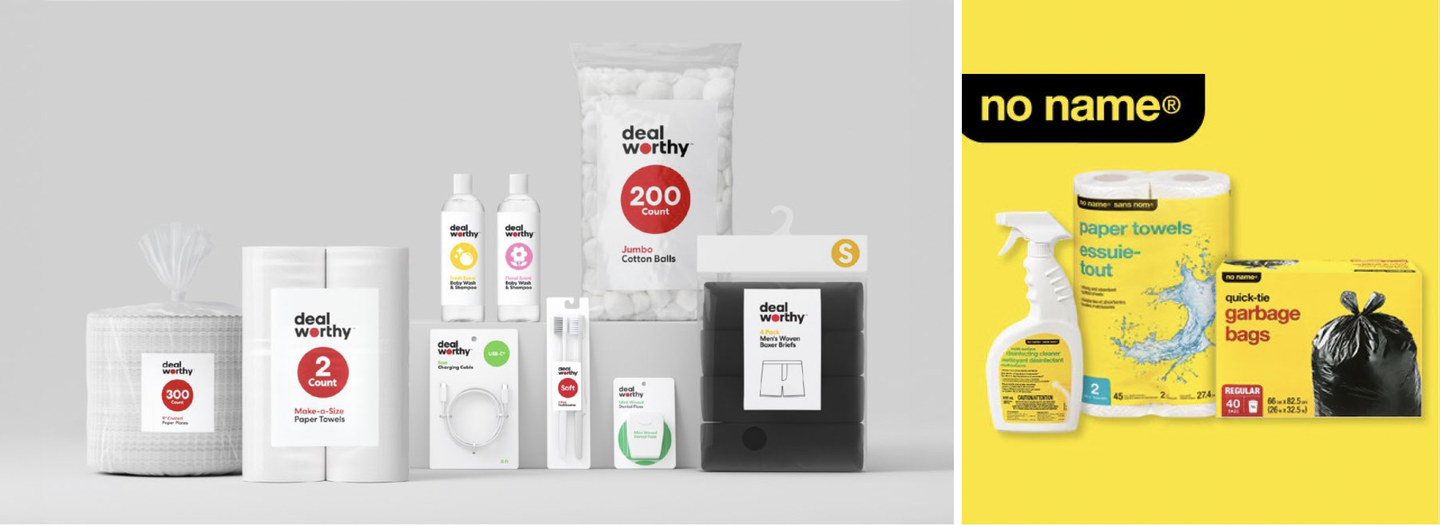
Deal Worthy's plain white value packaging beside No Name's yellow paper towels, garbage bags and spray cleaner

The key is to look the part. Your design shouldn’t compete with premium brands; it should proudly own its discount positioning.

Key Innovations for 2026:

  • Sustainability Meets Affordability: Today’s value-conscious shoppers also care about sustainability. Highlight eco-friendly packaging or sustainable sourcing to appeal to this dual priority.
  • Localized Messaging: Tailor your design and messaging to regional preferences, emphasizing local value and relevance.
  • Data-Driven Design: Use consumer insights to refine packaging elements that resonate most with your target audience, such as bold price callouts or simplified product descriptions.

2. Quality Requires a Story

When you want to position a product as premium, you need to tell a compelling story. Shoppers are willing to pay more when they understand what makes a product special. Your packaging and marketing are the perfect canvases to demonstrate this value.

There are several angles to build your quality narrative:

  • Provenance: Where do your ingredients come from? Highlight the origin story to connect customers to the product’s roots.
  • Ingredients: What goes into your product? Showcase unique or high-quality components that set you apart.
  • Uniqueness: What makes your product different? Whether it’s a special process or a unique flavor combination, put it front and center.

By demonstrating quality through storytelling, you build an emotional connection and justify a higher price point.
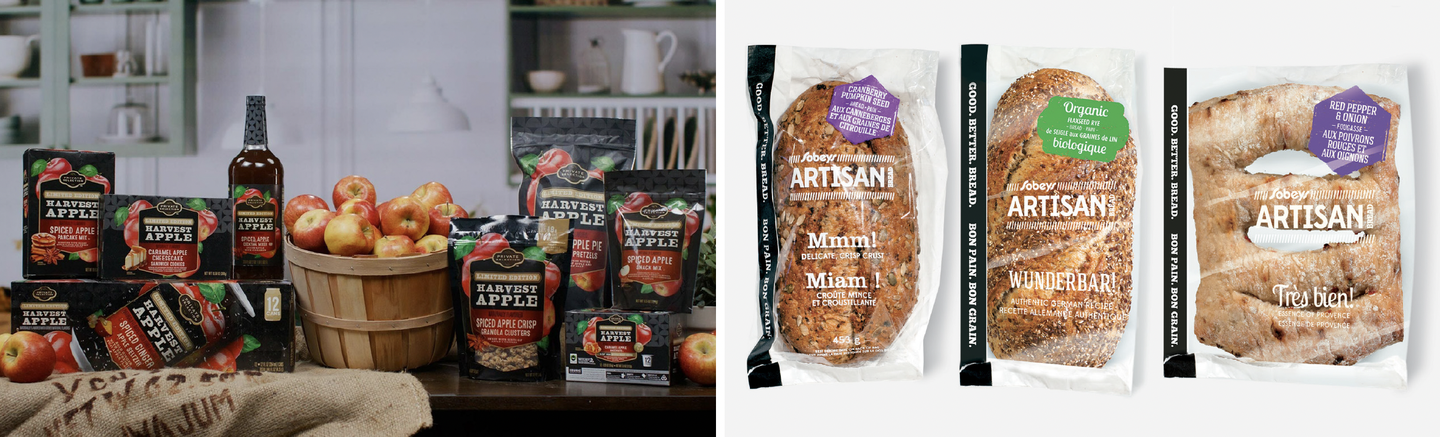
A limited-edition Harvest Apple range of pie, chips, pretzels and cider beside a basket of apples, and three Sobeys Artisan bread bags with 'Good. Better. Bread.' bands

Key Innovations for 2026:

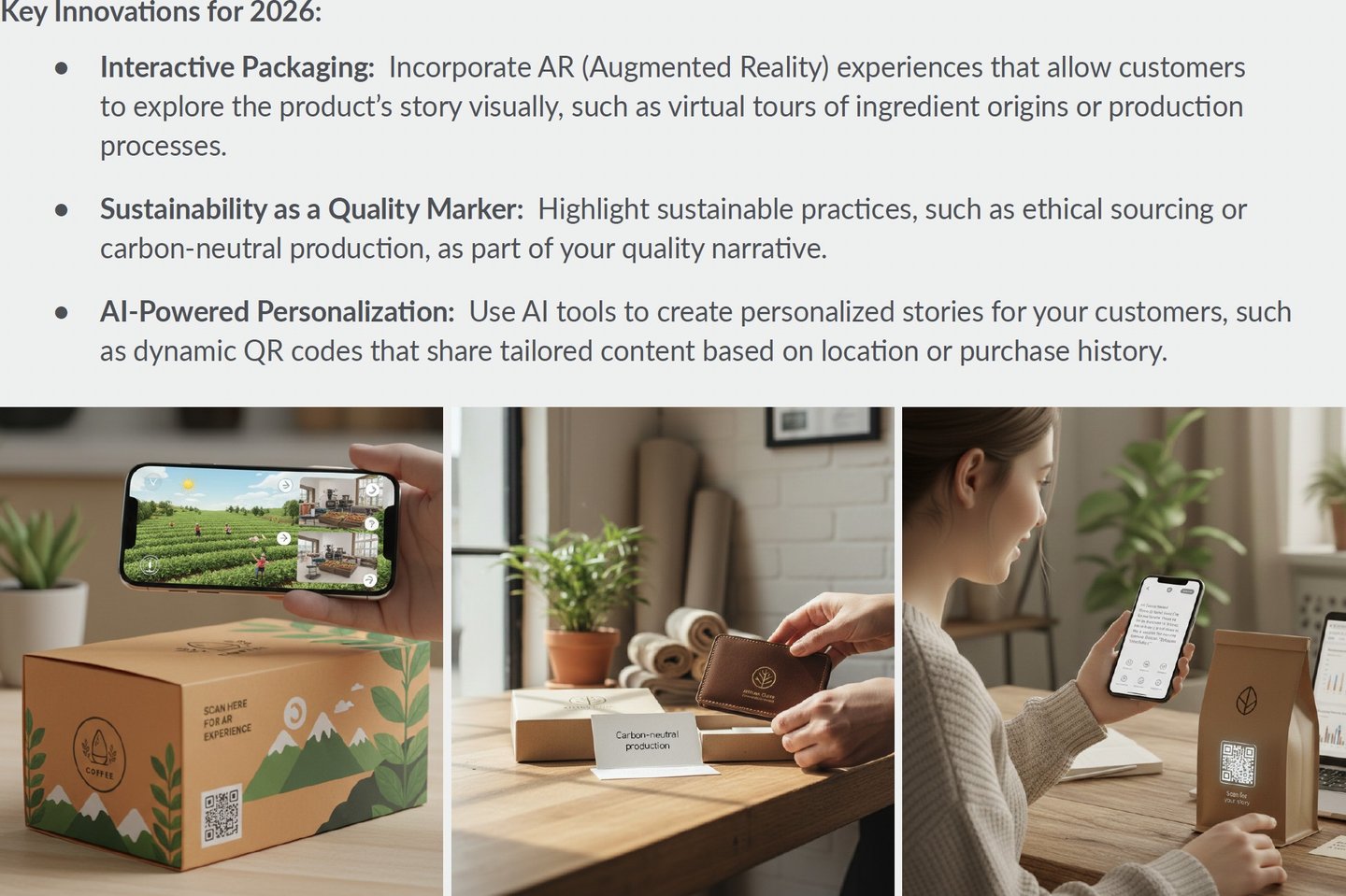
  • Interactive Packaging: Incorporate AR (Augmented Reality) experiences that allow customers to explore the product’s story visually, such as virtual tours of ingredient origins or production processes.
  • Sustainability as a Quality Marker: Highlight sustainable practices, such as ethical sourcing or carbon-neutral production, as part of your quality narrative.
  • AI-Powered Personalization: Use AI tools to create personalized stories for your customers, such as dynamic QR codes that share tailored content based on location or purchase history.
'Key innovations for 2026': interactive packaging, sustainability as a quality marker and AI-powered personalization, above photos of a QR-coded shipping box, a phone showing a farm and a woman scanning a coffee bag

3. Differentiate or Die

In a crowded marketplace, blending in is not an option. To succeed, your brand must have a distinct identity that customers can recognize and relate to. Being different isn’t just about having a unique logo; it’s about aligning your brand with a specific lifestyle, value, or trend.

Consider a brand like Trader Joe’s, which has successfully positioned itself at the forefront of food fashion. They don’t just sell groceries; they sell an experience of culinary discovery and adventure.
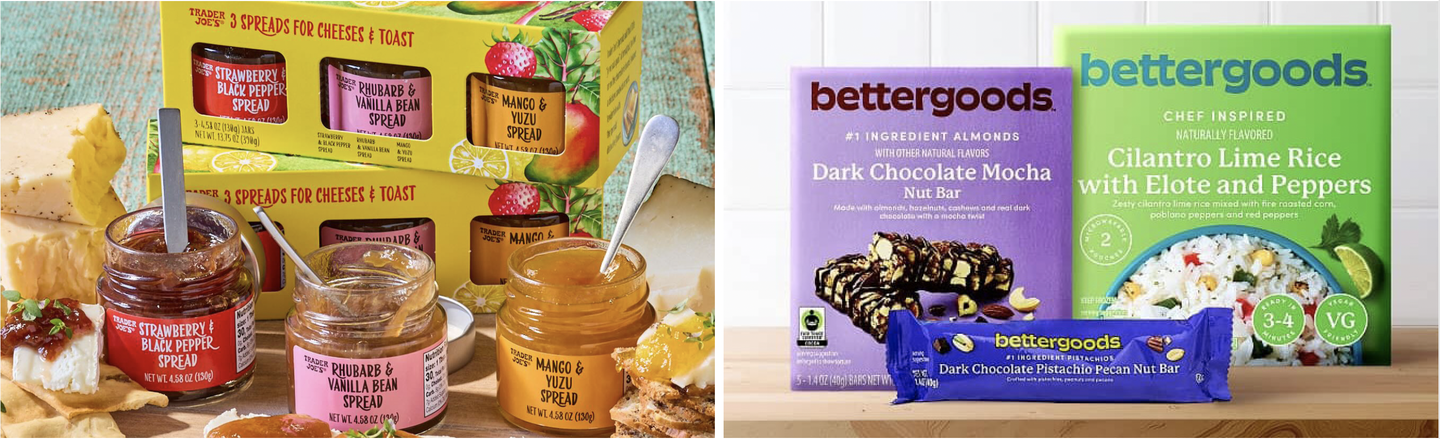
Trader Joe's spreads for cheese and toast beside Walmart's bettergoods dark chocolate mocha nut bars and cilantro lime rice

Your brand needs to find its own unique space in the market. Ask yourself: What do we stand for? Who are we for? Answering these questions is the first step toward creating a brand that customers choose over the competition.

Key Innovations for 2026:

  • Cultural Relevance: Tap into cultural trends and movements, such as wellness, inclusivity, or plant-based living, to position your brand as a leader in these spaces.
  • Community Building: Foster a sense of belonging by creating communities around your brand, whether through social media groups, loyalty programs, or exclusive events.
  • Collaborations: Partner with influencers, artists, or other brands to create limited-edition products that generate buzz and exclusivity.

4. Design as a System

A strong brand is cohesive. Designing as a system means creating a unified look and feel that extends across all your products, categories, and marketing channels. This doesn’t mean every package looks identical, but there should be a clear, recognizable design language that ties everything together.

A design system includes consistent use of logos, color palettes, typography, and imagery. This creates a strong brand block on the shelf, making your products easy for shoppers to find. It also builds brand equity and trust over time.
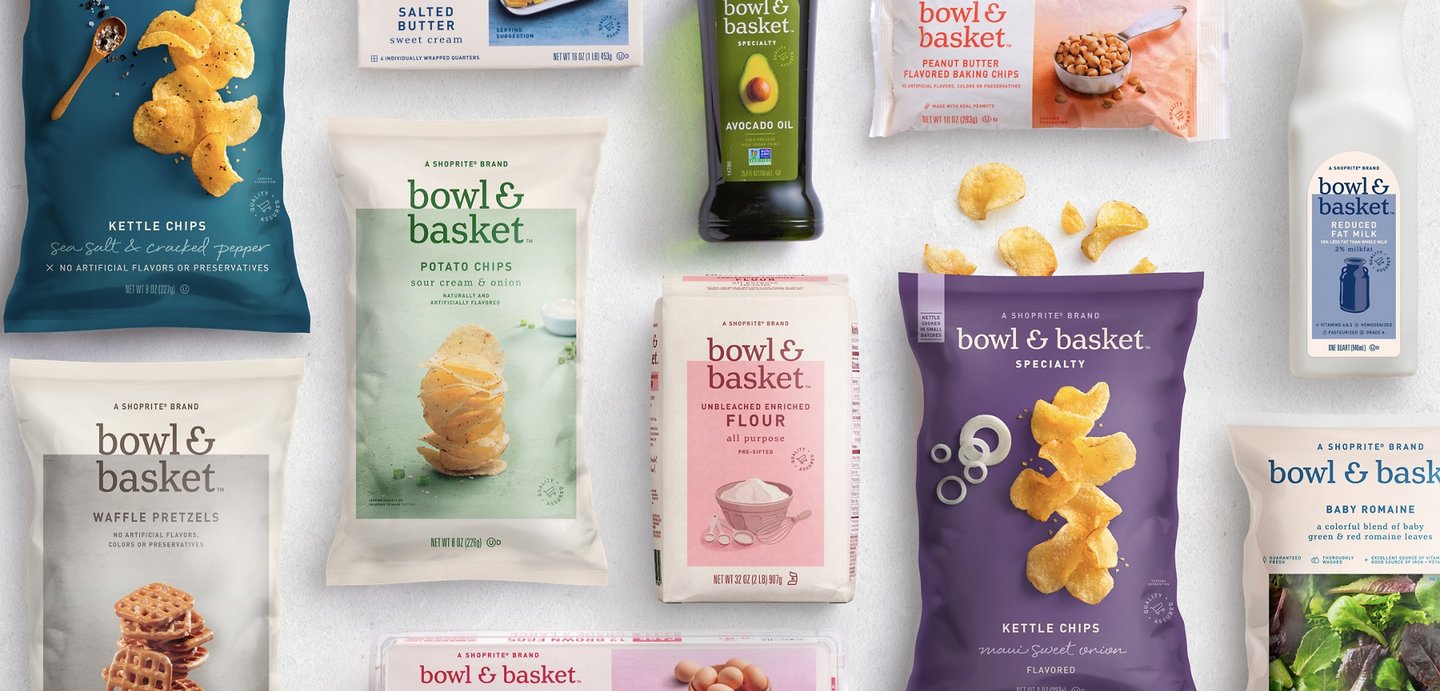
Wakefern's Bowl & Basket range in one design system: kettle chips, waffle pretzels, flour, pasta, avocado oil, sauce and dish soap

When customers can instantly recognize your products, they are more likely to try new items under your brand umbrella.

Key Innovations for 2026:
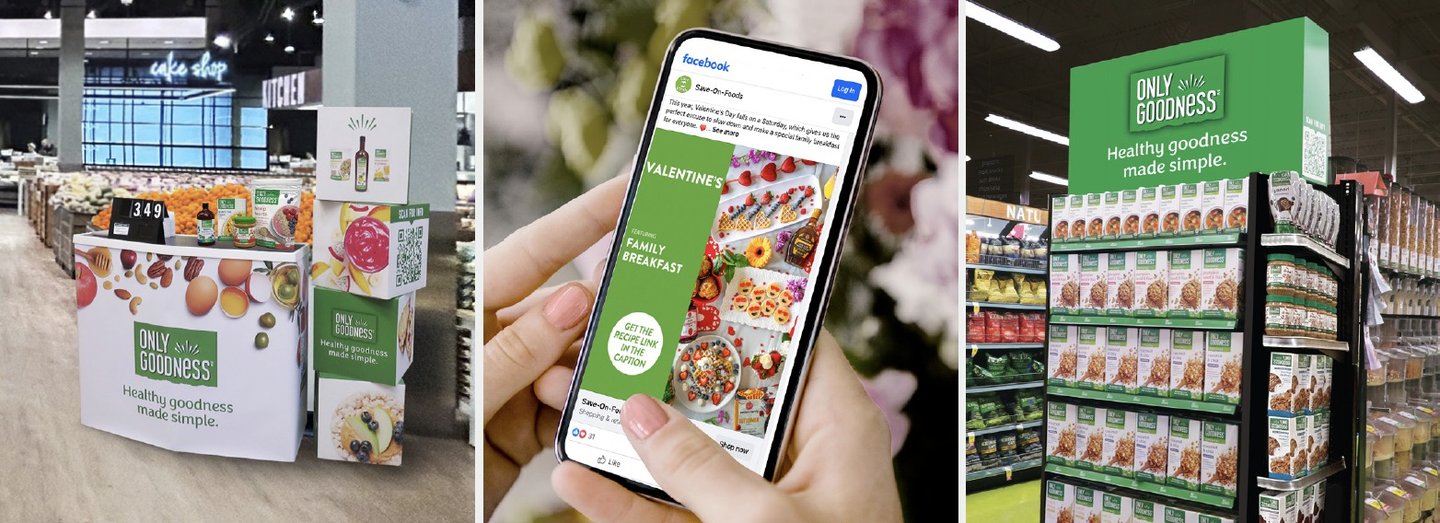
  • Dynamic Design Systems: Develop adaptable design systems that can evolve with trends while maintaining brand consistency.
  • Omnichannel Consistency: Ensure your design system translates seamlessly across in-store, e-commerce, and social media platforms.
  • AI-Driven Testing: Use AI to test and optimize design elements for maximum impact across different channels and demographics.
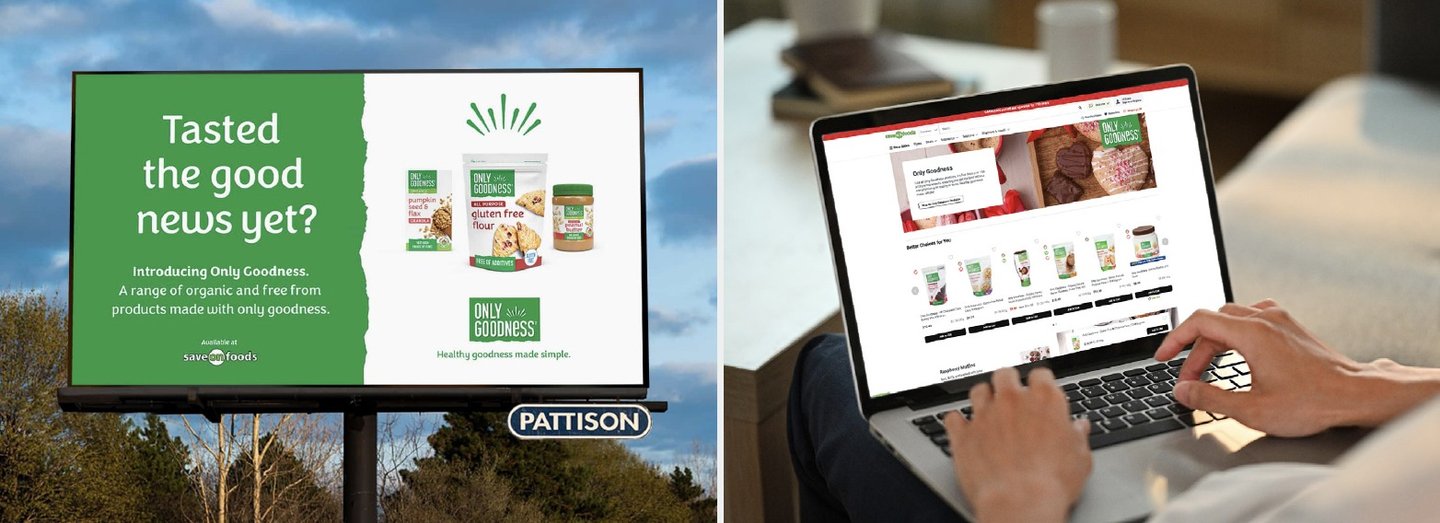
Only Goodness in store, on mobile and on shelf Only Goodness billboard and online store

5. Be Visible. Way More Visible.

The consumer journey is not linear and can include social, web, e-commerce, mobile apps, printed flyer and printed signage to support the product on shelf.
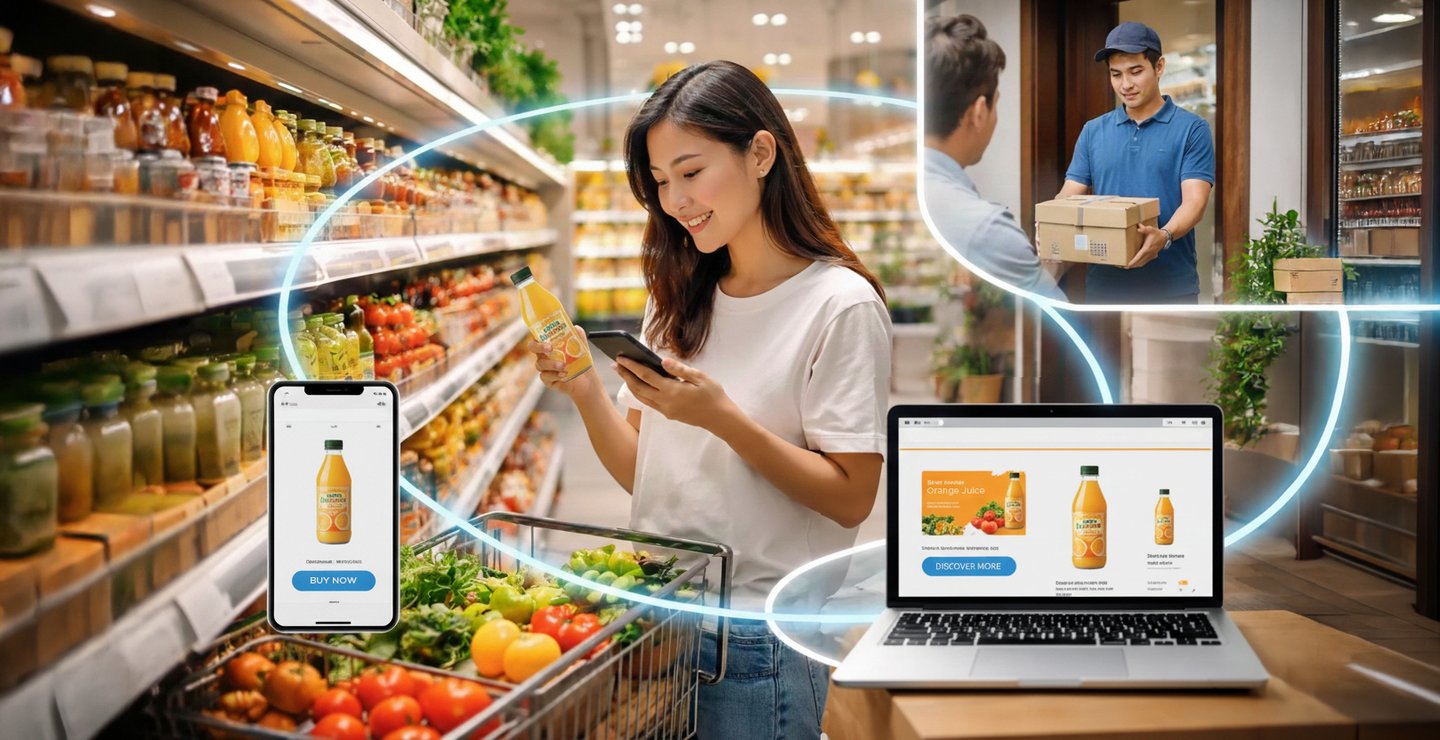
A phygital shopping journey: a woman in a produce aisle checks her phone, linked to an online store on a laptop and a courier handing over a box

By expanding your brand’s presence, you create multiple touchpoints that reinforce your message and drive purchasing decisions.

Key Innovations for 2026:
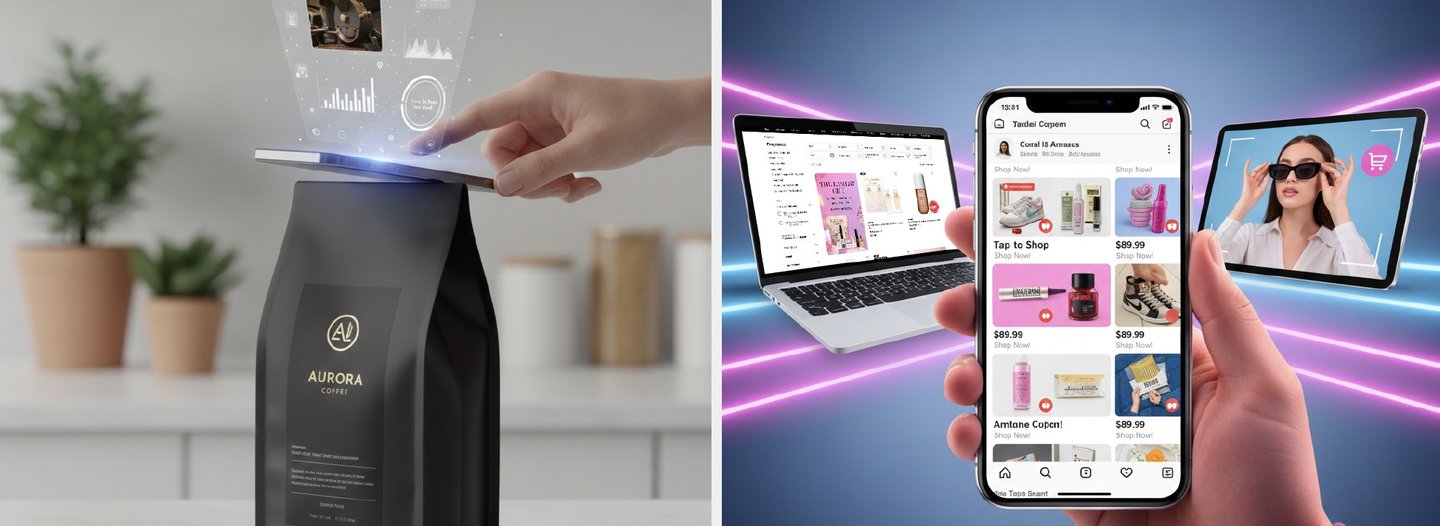
  • Connected Packaging 2.0: Leverage advanced technologies like NFC (Near Field Communication) tags to provide richer, more interactive experiences than traditional QR codes.
  • Social Commerce: Invest in shoppable content on platforms like Instagram, TikTok, and emerging social media channels to drive impulse purchases.
  • AI-Powered Advertising: Use AI to create hyper-targeted ad campaigns that reach the right audience with the right message at the right time.
  • Retail Media Networks: Partner with major retailers’ media networks to amplify your brand’s presence on their digital platforms.
A phone tapping an NFC tag on a coffee bag, beside a laptop and phone showing shoppable social content

Conclusion

The retail landscape is constantly changing, but these five strategies provide a solid foundation for growth. Whether you are a discount brand or a premium offering, a focused approach to branding, storytelling, and visibility can make all the difference. By telling a story, differentiating your brand, designing as a system, and boosting your visibility, you can effectively fuel sales and build a loyal customer base.

Learn more in our retail insight library

Read more