Packaging Strategies for Success in Any Market

Packaging Strategies for Success in Any Market
Expanding your consumer packaged goods (CPG) brand across borders requires more than just shipping products to a new location. Your packaging acts as your brand’s first handshake with a new consumer. If that packaging feels disconnected from regional values, languages, or cultural nuances, it can hinder sales and loyalty.
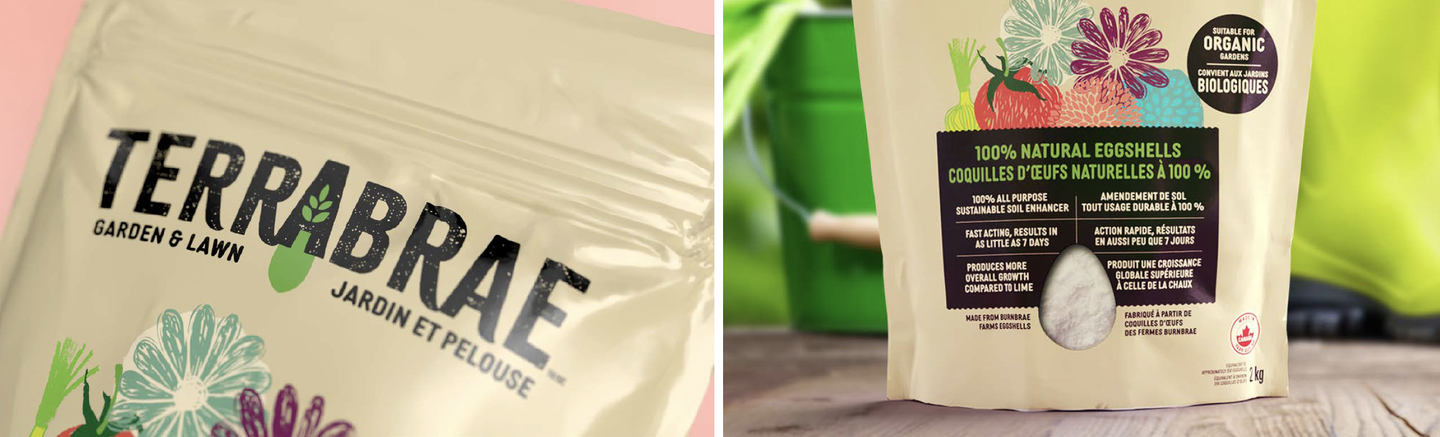
Whether you are expanding into the United States, Canada, Europe, or Asia, adapting your packaging to resonate with local shoppers is essential. Take Canada as an example. Many U.S. CPG brands face immediate challenges when entering the Canadian market. Meeting bilingual labeling requirements is a necessary first step, but brands often miss opportunities to align with Canadian values and regional diversity.
This principle applies far beyond North America. Successful packaging adaptation is a universal approach for winning over consumers in any market. Let us look at why adaptation matters, the challenges brands face, and how you can refine your packaging for global success.
Packaging does much more than hold a product. When designed effectively, it communicates trust, relevance, and value directly to the buyer. Brands often underestimate the importance of tailoring their packaging to meet the unique expectations of different markets.
Here is why regional adaptation remains critical to your brand’s success:
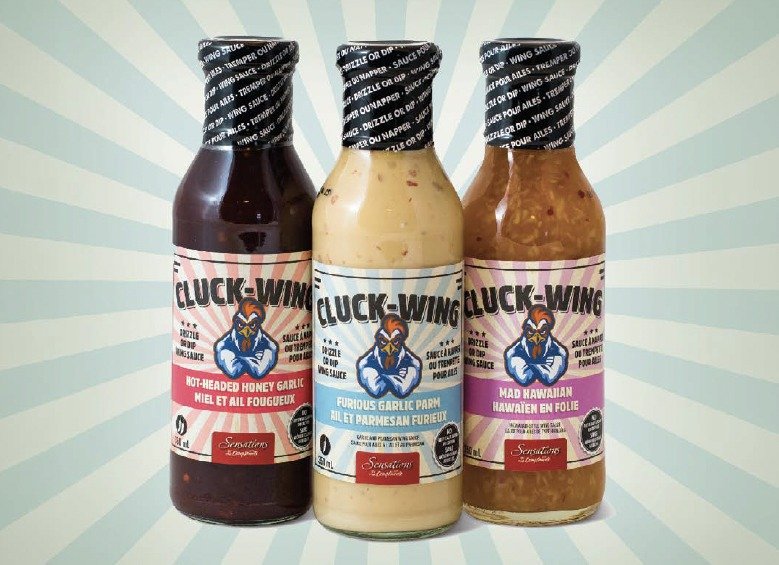
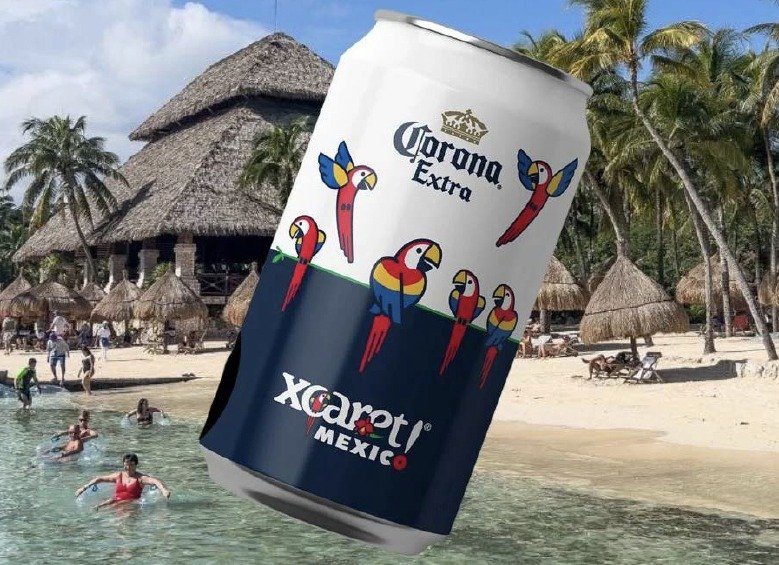
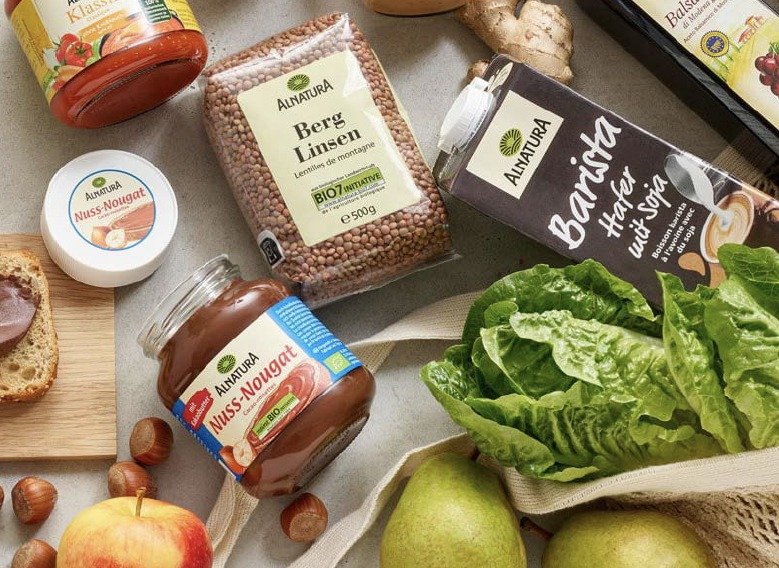
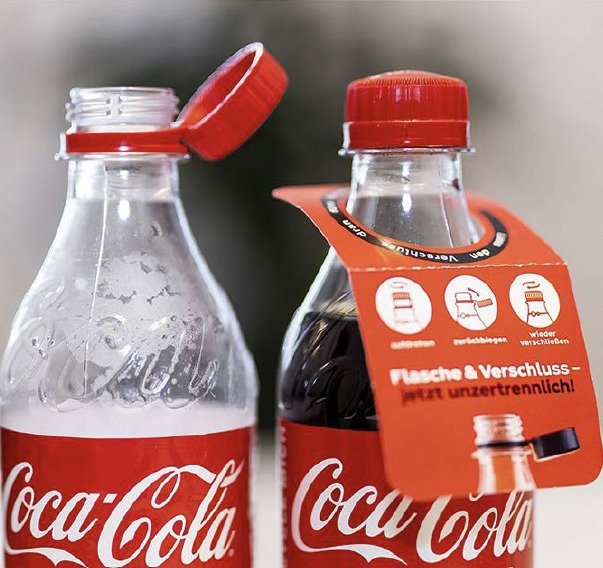
Bilingual and Multilingual Clarity: In markets like Canada, Belgium, or Switzerland, multiple languages coexist. Cluttered or poorly designed bilingual packaging confuses shoppers and greatly reduces shelf appeal.
Cultural Relevance: Packaging that aligns with local values builds trust and emotional connection. This might mean highlighting sustainability in Canada, adopting minimalism in Japan, or using bold storytelling in Mexico.
Regional Nuances: A uniform approach rarely works across borders. From Quebec’s French-first culture to Germany’s eco-conscious shopper base, you must understand regional preferences to stand out.
Regulatory Compliance: Markets worldwide continue to tighten regulations on packaging. Canada recently enacted a single-use plastics ban, and the European Union enforces its Green Deal. Staying ahead of these changes helps maintain consumer trust and avoid costly penalties.
Entering a new market introduces a specific set of design and compliance hurdles. Brands often encounter these common obstacles:
You can address these challenges by refining your packaging to better connect with consumers in each market. Achieving packaging that feels both local and global requires a strategic and focused effort.
Optimize Multilingual Packaging: Redesign your packaging to meet language requirements without losing clarity. For example, streamline text placement to balance English and Spanish messaging for U.S. Hispanic markets. You can also develop clear trilingual packaging for countries like Belgium.
Align with Cultural Values: Adapt your packaging to reflect local values such as sustainability, transparency, and inclusivity. In Scandinavian markets, where eco-consciousness is a top priority, highlighting carbon-neutral production is highly effective. For Middle Eastern consumers, emphasizing halal certifications can quickly build trust.
Customize for Regional Tastes: Tailor your packaging to reflect unique regional preferences. For beauty products in Japan, incorporate traditional Japanese design elements. For products aimed at Latin American markets, use bold and vibrant colors.
Localize Your Storytelling: Craft packaging narratives that resonate with local consumers. You might highlight locally sourced ingredients or demonstrate community impact. Adding a “Proudly Made in Australia” badge for Australian shoppers or showcasing partnerships with local farmers in Italy helps your brand feel more familiar and trustworthy.
Conduct Regulatory Audits: Ensure your packaging meets local legal standards and stays up to date with changing regulations. For example, update your packaging to comply with the EU’s Green Deal recycling requirements or adapt to India’s extended producer responsibility rules for plastic waste.
Adapting packaging for local markets drives measurable results. Here are some recent examples of brands that successfully localized their packaging:
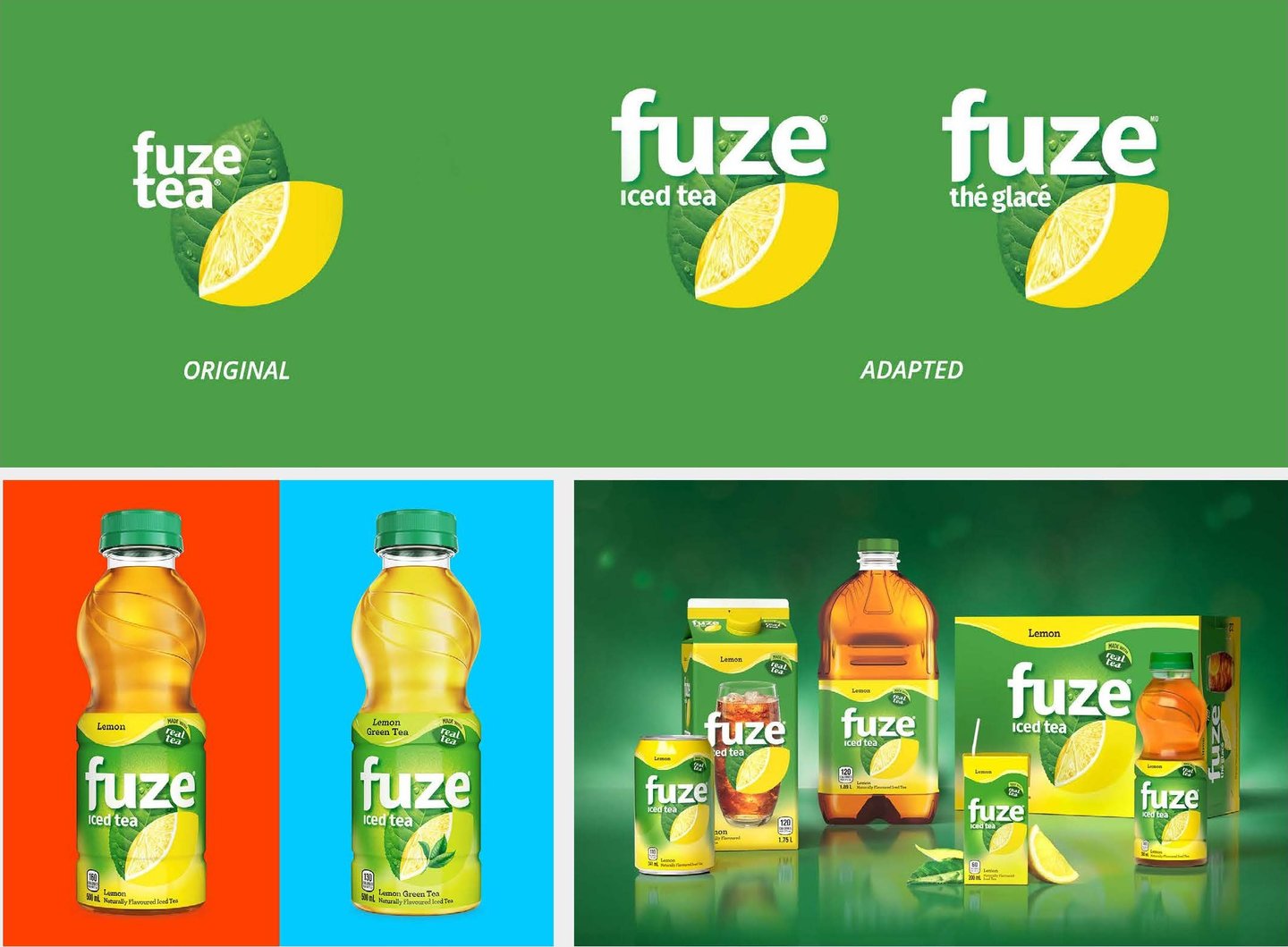
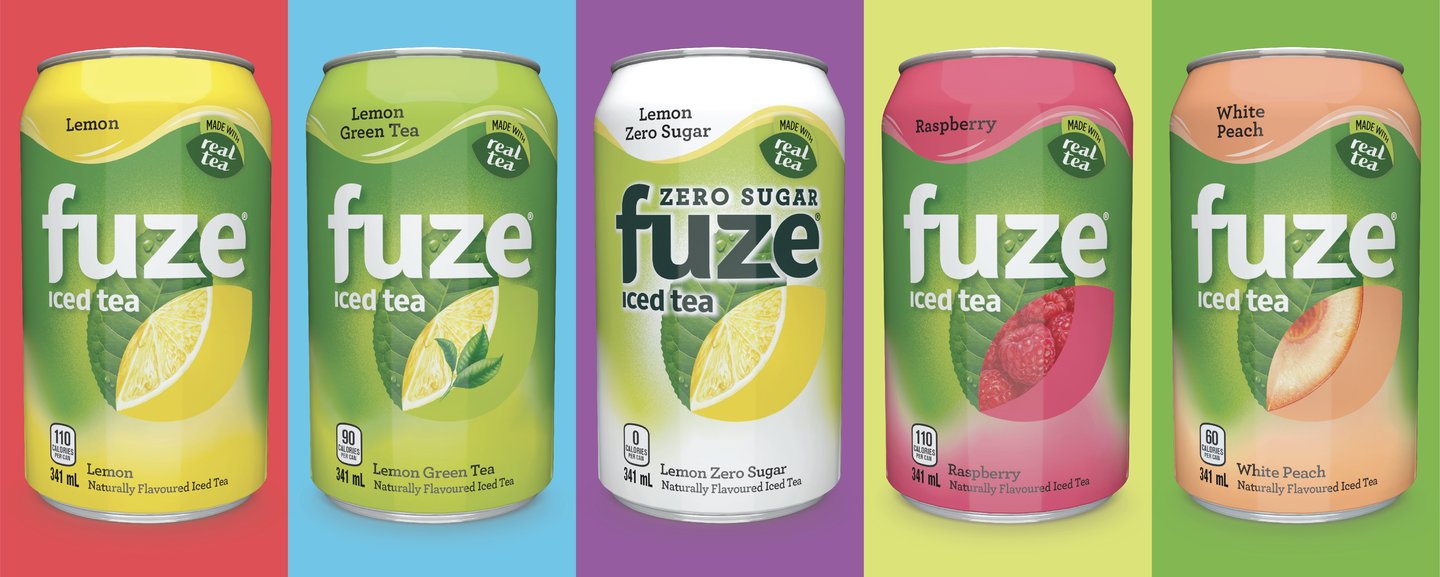
Fuze Tea in Canada (2024): Coca-Cola’s Fuze Iced Tea brand refined its global packaging for the Canadian market. They emphasized bilingual clarity and eco-friendly materials. As a result, Fuze Iced Tea became the top iced tea beverage in Canada.
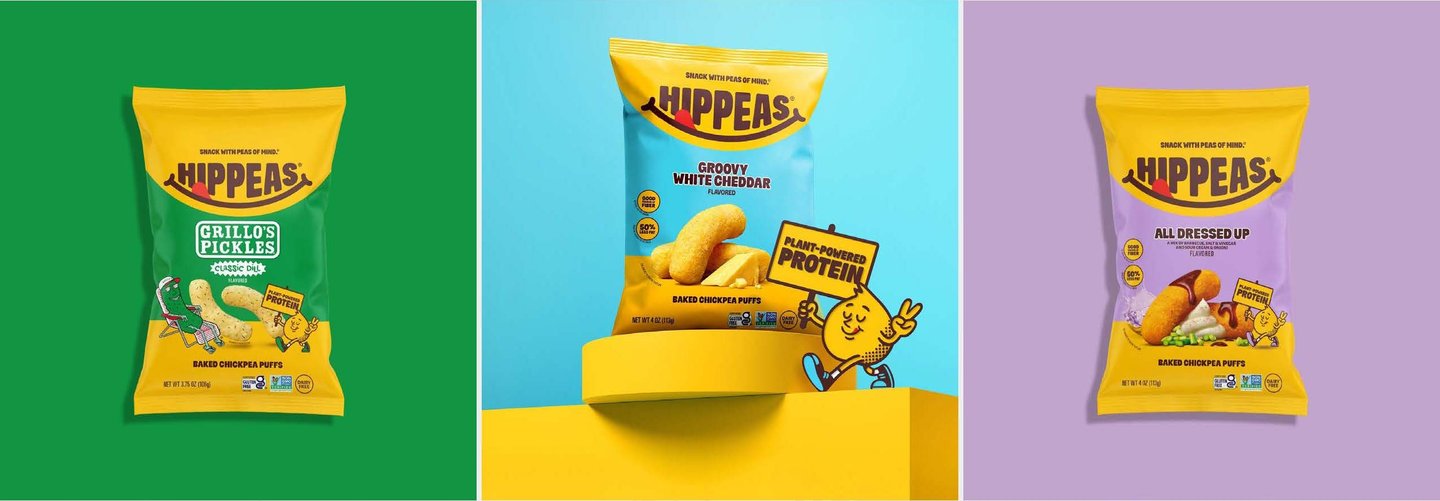
Plant-Based Snacks in Europe (2025): A U.S. snack brand revamped its packaging for the European market. They highlighted their carbon-neutral production and adopted a minimalist design. This targeted adaptation led to a 30% increase in sales across Germany and the Netherlands.

Sustainable Beauty in Asia (2024): A beauty brand tailored its packaging for the Japanese market. They focused on refillable containers and clean aesthetics. The move resonated with Japan’s eco-conscious consumers, boosting their market share by 20%.
Consumers reward brands that truly understand them. They quickly notice when packaging appears cluttered, disconnected, or out of touch. On the other hand, they are more likely to choose brands that reflect their values and preferences.
By refining your packaging to better meet local expectations, you strengthen your brand’s presence, increase sales, and foster lasting loyalty.
Are you ready to improve your packaging for global growth? Review your current designs and begin planning your localization strategy today. Refine your approach, connect with your target regions, and help your brand succeed in any market.